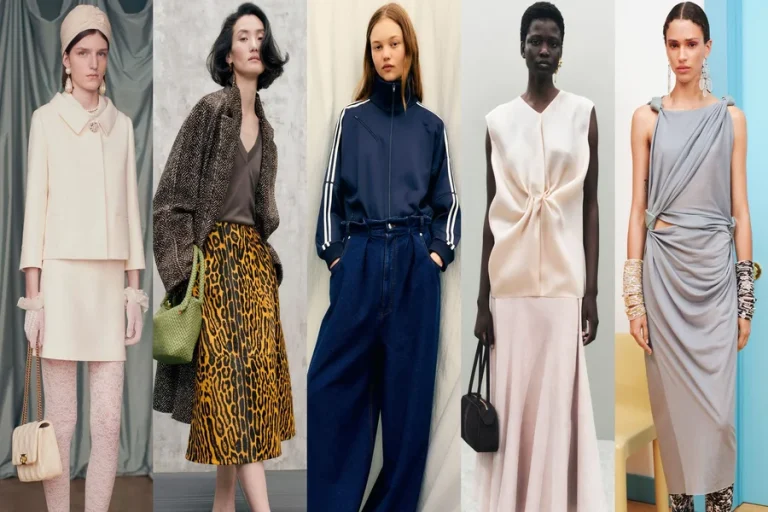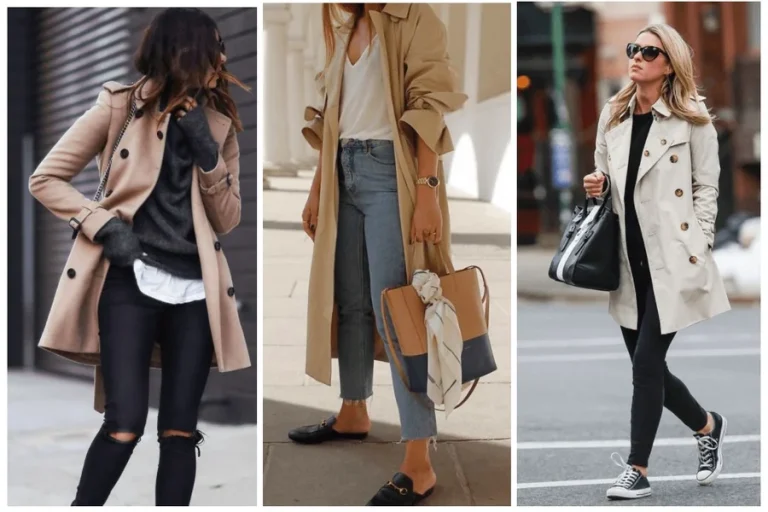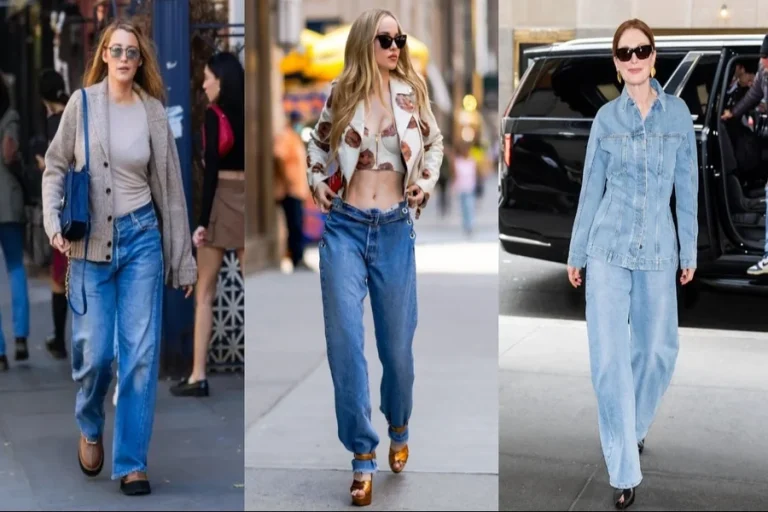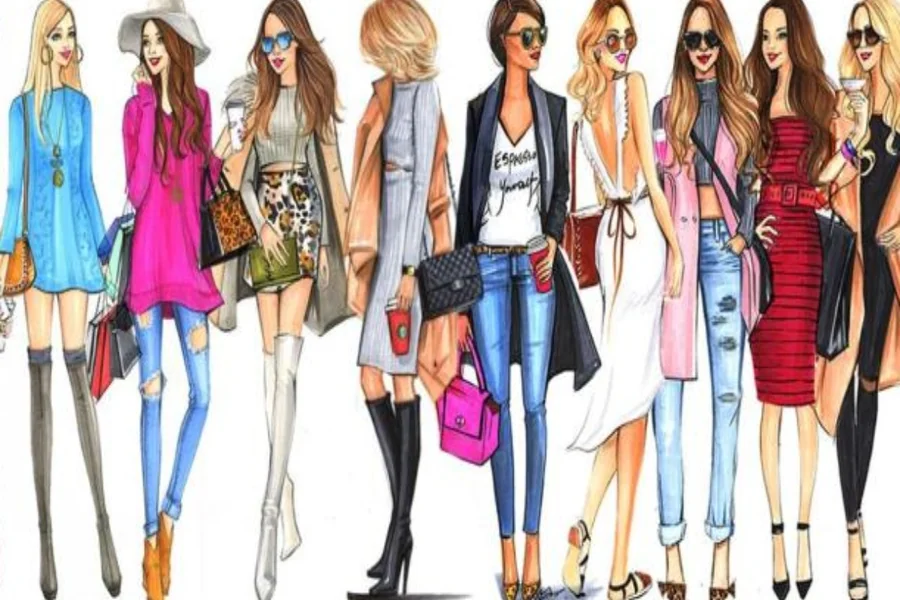
Fashion is far more than just the clothes we wear; it is a powerful form of self-expression and a crucial element in shaping and communicating identity. The choices we make in fashion—from colors and styles to accessories and grooming—reflect our personalities, moods, cultural backgrounds, and values. Exploring the role of fashion in self-expression and identity reveals how clothing serves as a dynamic language through which individuals narrate their unique stories to the world.
Fashion as a Visual Language
Fashion operates as a visual language that conveys messages without words. When someone chooses an outfit, they are making a statement about who they are or who they want to be perceived as. Whether it’s the boldness of bright colors, the professionalism of tailored suits, or the rebellion of punk-inspired looks, clothing communicates attitudes, affiliations, and emotions.
Identity Formation and Exploration
Especially during adolescence and young adulthood, fashion plays a vital role in identity formation. Trying out different styles allows individuals to explore facets of their personality and find what resonates with their sense of self. This process helps build confidence and fosters authenticity.
Cultural and Social Identity
Fashion reflects cultural heritage and social contexts. Traditional attire, ethnic patterns, and culturally significant accessories serve as markers of identity and pride. Similarly, fashion can indicate membership in social groups or subcultures—such as goth, hip-hop, or preppy styles—creating a sense of belonging and shared values.
Gender Expression Through Fashion
Fashion is also a key medium for gender expression. While societal norms historically dictated gender-specific clothing, contemporary fashion increasingly embraces fluidity and individuality. People use fashion to affirm their gender identities, challenge stereotypes, or celebrate diversity, making clothing an essential tool in personal freedom.
Fashion and Emotional Expression
Our clothing choices often mirror our emotions and mental states. Wearing bright, vibrant colors can express happiness or confidence, while darker tones may convey introspection or seriousness. Fashion allows individuals to externalize feelings and moods, providing an outlet for creativity and emotional communication.
The Impact of Fashion on Self-Confidence
When people dress in ways that align with their identity, it boosts self-esteem and empowers them to navigate social interactions with assurance. Fashion can be transformative, enabling individuals to present their best selves and feel more connected to their inner identity.
Fashion as Resistance and Empowerment
For many, fashion serves as a form of resistance against social norms, discrimination, or oppression. Clothing can challenge conventions, raise awareness, and empower marginalized communities. Movements like the LGBTQ+ Pride with its rainbow symbolism or feminist fashion statements highlight how fashion can drive social change.
The Role of Media and Technology
Media, advertising, and social media platforms significantly influence fashion’s role in identity. They provide inspiration and platforms for sharing personal style, while also shaping societal standards and trends. However, they also raise concerns about conformity and the pressure to fit certain ideals.
Personal Style: Balancing Trends and Authenticity
While fashion trends offer fresh ideas, true self-expression comes from integrating trends with personal taste and values. Developing a personal style that reflects one’s identity involves thoughtful choices rather than blind adherence to trends, fostering originality and meaningful expression.
Conclusion
Fashion is a vital tool for self-expression and identity, enabling individuals to communicate who they are, where they come from, and what they believe in. It transcends mere aesthetics, becoming a language of empowerment, exploration, and cultural dialogue. Embracing fashion as a form of self-expression encourages authenticity, diversity, and connection in an ever-evolving world.