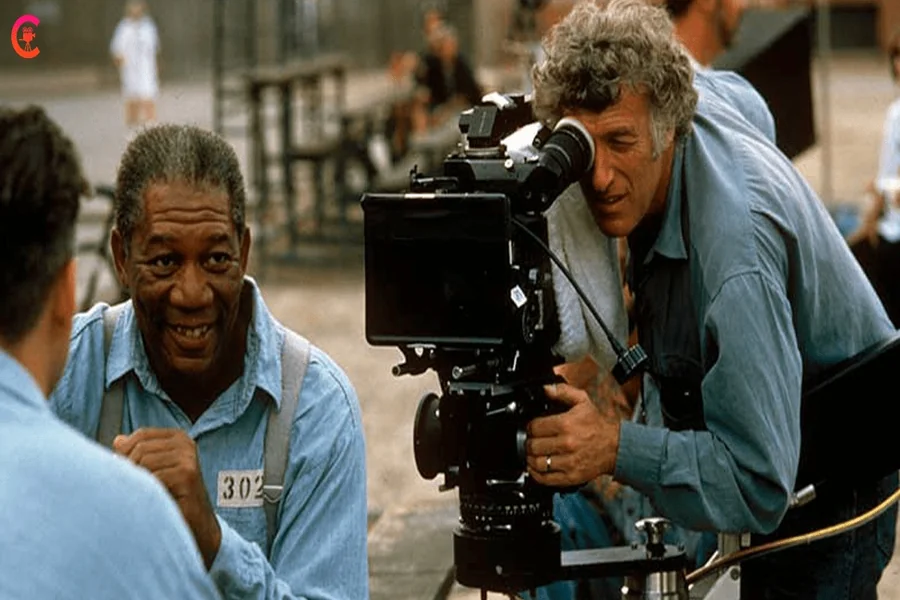
Cinematography is the art and craft of capturing visual images for film and television, playing a crucial role in storytelling. Beyond simply recording action, cinematography shapes how audiences perceive, feel, and connect with a story. Through lighting, camera movement, framing, and color, cinematographers create visual language that enhances narrative depth and emotional resonance. Understanding the role of cinematography reveals how vital it is in bringing stories to life on screen.
Visualizing the Story’s Mood and Tone
Cinematography sets the mood and tone of a film or scene. Lighting choices—whether soft and warm or harsh and shadowy—can evoke emotions like joy, fear, or sadness. Color palettes also influence mood; for example, cool blues might create a sense of isolation, while vibrant reds suggest passion or danger. These visual cues immerse viewers and prepare them emotionally for the unfolding narrative.
Framing and Composition
How a shot is framed tells part of the story. The placement of characters and objects within the frame guides viewers’ attention and conveys relationships and themes. Close-ups reveal intimate emotions, while wide shots establish setting and context. Symmetry, rule of thirds, and leading lines are compositional tools cinematographers use to craft meaning visually.
Camera Movement and Perspective
Camera movement influences storytelling by controlling pacing and perspective. A slow, steady zoom can build tension or focus on a detail, while rapid handheld shots create urgency and chaos. Point-of-view shots allow audiences to see through a character’s eyes, fostering empathy. Through these techniques, cinematographers control how stories unfold and how viewers experience them.
Enhancing Narrative Through Visual Style
Every film has a unique visual style shaped largely by cinematography. Whether it’s the gritty realism of The Godfather or the dreamlike visuals of Blade Runner, cinematography establishes the film’s identity. This style supports the narrative, reinforcing themes and character arcs. Consistent visual motifs can also provide symbolism and subtext, enriching storytelling layers.
Collaboration with Other Filmmaking Departments
Cinematographers collaborate closely with directors, production designers, and editors to ensure the visual storytelling aligns with the overall vision. They work with lighting crews to create the desired atmosphere and with costume designers to complement color schemes. The cinematographer’s input influences not just how scenes are shot, but how the story is ultimately told.
The Impact on Audience Engagement
Effective cinematography captivates audiences, making stories more immersive and memorable. Visual storytelling can communicate what dialogue cannot, subtly expressing mood, conflict, and character development. This sensory engagement helps viewers connect emotionally and intellectually with the narrative.
Innovations in Cinematography
Advancements in technology, such as digital cameras, drones, and virtual reality, have expanded cinematography’s possibilities. These tools enable new perspectives and effects, pushing the boundaries of visual storytelling. Innovations allow cinematographers to craft more dynamic and imaginative narratives.
Conclusion
Cinematography is a vital storytelling tool that shapes how stories are seen and felt. Through lighting, composition, movement, and style, cinematographers translate scripts into powerful visual experiences. Their artistry enhances narrative depth, emotional impact, and audience engagement, making cinematography indispensable in the world of film and television.