Origins of the Sigma Lexicon
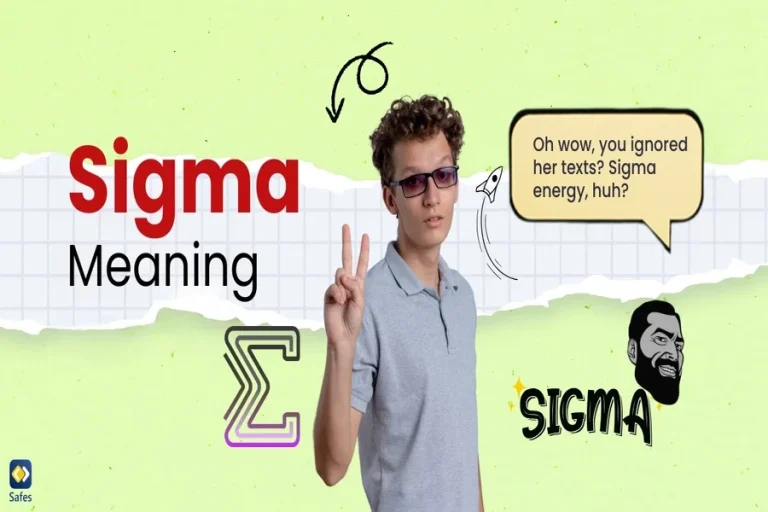
Sigma slang originated in online pockets where independence and quiet competence were admired. Language shifted toward coded lines that conveyed personality and stance without grandstanding. It spread through forum threads, meme captions, and short videos, favoring minimalism and concision. Community members adopted phrases hinting at self-reliance, resilience, and subtle ambition. Imagery, tone, and repetition reinforced meaning until shared references felt recognizable across platforms. Early observers noted that these expressions carried both humor and sincere identity. Over the months, the label “Sigma slang” became shorthand for attitudes and aesthetic choices. It resonated.
Early Spread of the Sigma Lexicon
Early spread relied on tight networks, in which reposts and replies amplified memorable lines. Creators favored brevity and imagery matching aloof aesthetics and understated confidence. Short videos and captioned images carried phrases from private chats into public feeds. Memes became vessels for tone and posture, and repetition strengthened recognition. Journalists noticed patterns and began calling attention to these lexical shifts. Amid many changes, the label Sigma slang persisted and evolved through remixing. Platform features and algorithmic boosts sometimes sped adoption across diverse communities. At other times, niche groups reworked phrases to maintain insider status and clarity.
Meaning and Interpretation of the Sigma Lexicon
Meaning often shifts with context and tone, and interpretation depends on listeners’ expectations. Some use phrases to indicate personal standards and preferences. They show a commitment to autonomy through understated wording. Others treat the vocabulary as playful signaling that navigates status without explicit boasting or rivalry. Critical readers sometimes interpret lines as posturing or romanticizing independence. This perspective often sparks heated debate among participants. Scholars examine how pragmatic cues and surrounding imagery alter perceived intent and connotation. Across many instances, Sigma slang functions as flexible shorthand. It captures mood identity and an identifiable social orientation.
Themes in the Sigma Lexicon
Recurring themes include autonomy, resilience, observation, and rejection of performative dominance. Phrases often emphasize personal standards, discipline, and a measured approach to goals. Imagery favors minimalism, muted palettes, and solitary scenes that suggest focus and self-sufficiency. The tone blends stoicism with dry humor, creating lines that feel serious yet wry. Such coherence lets listeners infer values quickly and connect with an aesthetic sensibility. Writers borrow from philosophy, literature, and popular culture to enrich short phrases. This layering grants depth to Sigma slang and invites repeated reinterpretation across contexts and time. The result feels curated and intimate.
Criticism and Commercialization of the Sigma Lexicon
Criticism centers on commercialization, dilution, and loss of nuance when phrases go mainstream. Brand adoption often removes context and leaves catchy lines devoid of original intent. Some community members push back and craft new variants to reclaim distinct meaning. Others accept diffusion as natural and enjoy playful reinvention across audiences. Scholars study how market forces shape language while participants debate authenticity and value. The dynamics illustrate tensions between creativity communities and commercial attention. Debate continues about whether popularity enriches or erodes the social meanings attached to Sigma slang. Ultimately, shifts in usage reflect ongoing negotiation rather than final disappearance.
Social Signaling and Identity in the Sigma Lexicon
Sigma slang works as social signaling where word choice indexes preferences and identity. Subtle metaphors and short lines allow speakers to imply independence, privacy, and ambition. This identity work appeals to participants who favor understatement over overt displays of status. Listeners use cultural references, tone, and timing to decode belonging or difference. The vocabulary thus offers a compact expressive tool for nuanced social navigation in casual discourse. It grants speakers swift signals that avoid explicit hierarchy and invite personal interpretation. Consequently, the practice shapes subtle community boundaries without formal rules or rituals.
Adoption Patterns and Diffusion of the Sigma Lexicon
Adoption follows uneven patterns with innovators in niche forums and chat groups. Content creators then test new turns of phrase and share them widely. Viral moments push lines into mainstream feeds where remixing produces many iterations. Gatekeepers, such as moderators and influencers, shape which variants gain traction and which fade. Algorithms sometimes accelerate spread while platform culture molds uptake and nuance. Together, these forces show human creativity operating within technologically mediated channels. Researchers trace diffusion to understand social networks and emergent lexical trends. Patterns reveal surprising resiliency and rapid mutation across contexts and platforms.
Cross-Cultural Movement of the Sigma Lexicon
Cross-cultural movement shows how Sigma slang adapts when speakers translate humor and tone. Non-native adopters often infer meaning from examples and the the surrounding visual context. They then reshape phrases to align with cultural norms and everyday speech patterns. Hybrid variants blend original wording with local metaphors, creating fresh registers rapidly. These dynamics show language vitality as global networks trade playful material and meanings. Translation highlights elements that resist literal conversion. Adaptation invites creativity and unexpected nuance in usage. The result is a plural living lexicon across languages. It continually evolves.
Ethical Considerations around the Sigma Lexicon
Ethical questions arise regarding exclusion, stereotyping, and romanticizing solitary ideals. Some worry that celebrating solitude can obscure loneliness and practical support needs. Others note that labels may stereotype personalities and constrain diverse displays of strength. Public conversations surface stories that complicate neat narratives and invite empathy. This reflective dialogue introduces nuance and reshapes phrases to account for harm. Community responses include critical education and restorative conversation among peers. Ethical attention encourages adaptable language that respects wellbeing and solidarity. Overall, the debate highlights the responsibility that comes with fast-moving online speech.
Conclusion
Across platforms, Sigma slang illustrates how playful language reflects social motives, aesthetics, and identity work. The vocabulary grows through remixing memetic circulation and community negotiation of meaning. Debates about authenticity, commercialization, and ethics show how language bears cultural tensions. Future shifts will reflect ongoing creativity platform changes and human reinterpretation. Ultimately, Sigma slang remains a living example of how culture and communication coevolve. Observers will continue to watch phrases migrate, adapt, and take on new resonances. What endures are the human impulses to name, experience, craft, belonging, and play. Language keeps shifting.
FAQs
What is this lexicon about?
A set of online phrases signaling autonomy, mood, and understated confidence.
Where did these expressions first appear?
They first appeared in online forums, meme groups, and short-video captions.
Why do people use terse lines and imagery?
They convey identity, mood, and values succinctly, without explicit boasting.
Do critics have concerns about this vocabulary?
Yes, concerns include commercialization, stereotyping, and romanticizing solitude.
Will these phrases remain stable over time?
No, they will evolve as communities remix context and platform influences change.