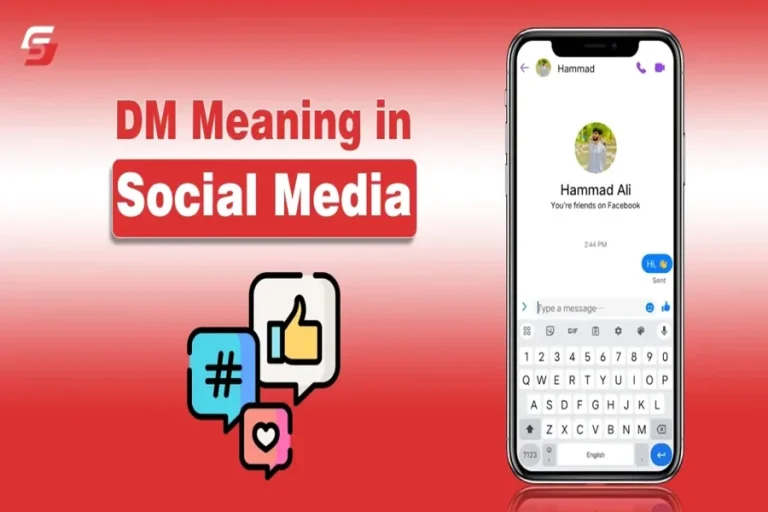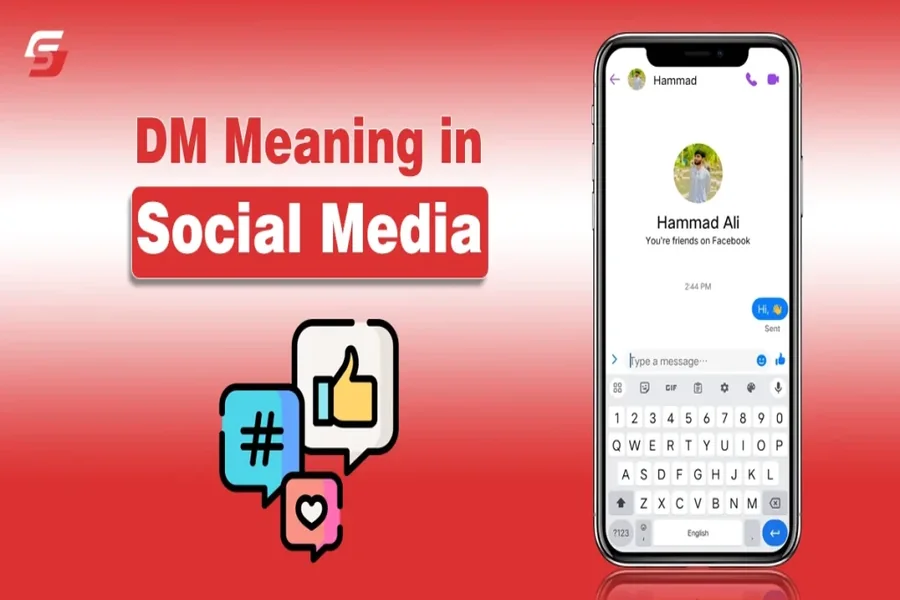
Messaging has quietly reshaped how people connect, and the simple phrase DM meaning now signals private conversational intent across platforms and generations, while remaining flexible in tone and purpose. It can signal a casual hello or an urgent note meant for sensitive discussion, and it often exists alongside public comments without conflict. Social norms influence interpretation, while platform features further refine how messages arrive and feel. Conversation patterns differ across platforms and age groups, shaping expectations and tone. Emoji choices, timing, and message length influence perceived warmth, seriousness, or urgency. Design decisions guide communication rituals subtly.
Understanding the Core of Private Messaging
The DM meaning commonly refers to a private conversation between two users on a digital platform, and it carries expectations of discretion and personal tone. People turn to direct messages for clarification, quick follow-ups, or personal exchanges that feel out of place in public feeds. This private setting invites expressive language, short questions, and shared media, while still leaving room for uncertainty around timing and permanence. Generational habits and platform tools shape expectations around response speed and message style. The available visual elements affect emotional expression subtly. These conversations blend social meaning with technical structure, creating layered communication experiences.
Private Messaging in Social Media
On social media platforms, the DM meaning reflects the culture and rhythm of each network. Users often rely on short phrases, images, and reactions to communicate efficiently and casually. Ephemeral tools and character limits encourage lighter tones and frequent visual expression, changing how intent is interpreted. Playful experimentation thrives here, while unspoken etiquette around screenshots and sharing continues to evolve. Platform-specific habits influence how quickly replies are expected. Emotional nuance is shaped by stickers, gifs, and reactions. These features turn direct messages into expressive social spaces shaped by both design and community norms.
Private Messaging in Professional Communication
In professional settings, the DM meaning leans toward clarity and efficiency, as coworkers use private messages to coordinate tasks and confirm details. Messaging replaces lengthy emails for quick exchanges, while still keeping a written record for reference. Tone shifts based on hierarchy, urgency, and workplace culture. Some messages feel conversational, while others signal importance through brevity. Response timing becomes part of professional signaling. Platform tools such as status indicators influence expectations. These private exchanges support collaboration while reflecting organizational norms and digital professionalism.
Private Messaging and Privacy Considerations
Privacy is often central to discussions of DM meaning, since direct messages frequently contain personal or sensitive information. Many users assume privacy by default, yet technical realities complicate that belief. Screenshots, backups, and moderation systems affect message permanence. This tension shapes how much people disclose and how they phrase personal information. Trust develops gradually through interaction patterns. Platform policies quietly influence behavior. Emotional expression adapts to perceived safety. Direct messages, therefore, balance intimacy with uncertainty, shaping communication boundaries in subtle ways.
Private Messaging in Dating and Networking
In dating and networking contexts, the DM meaning often signals an intention to move beyond public interaction into a more personal exchange. Timing and tone play crucial roles in how messages are received. A private message can suggest interest, curiosity, or professional connection. The absence of public visibility increases emotional weight. Misinterpretations remain possible when cues are limited. Platform features like read receipts influence expectations. These messages become markers of social navigation, shaping relationships through quiet exchanges.
Common Misunderstandings about Private Messages
Misunderstandings surrounding the DM meaning often arise from short replies, emojis, or delayed responses. Tone becomes difficult to interpret without visual or vocal cues. Social expectations vary widely between cultures and age groups. What feels casual to one person may feel dismissive to another. Past interactions heavily influence interpretation. Users adapt by adjusting language and pacing over time. Platform features sometimes amplify confusion. These moments highlight the complexity of private digital communication.
Private Messaging versus Public Comments
Comparing the DM meaning with public comments reveals clear contrasts in purpose and audience. Direct messages encourage personal exchange without performance pressure. Public comments invite community participation and visibility. Private conversations allow honesty and nuance. Public threads document collective discussion. The choice between them reflects priorities around privacy and exposure. Each format supports different social needs. Together, they form a balanced communication ecosystem shaped by context and intent.
Evolving Private Messaging over Time
The DM meaning has evolved alongside new platform features like disappearing messages, encryption, and richer media. These tools reshape expectations around privacy and urgency. Language adapts as features change. Designers influence behavior through interface choices. Communities respond by creating new norms. What once felt permanent may now feel temporary. Emotional expression becomes more visual. Direct messaging continues to transform with technology and social adaptation.
How Context Shapes Private Messaging
Context strongly shapes the DM meaning, since timing, relationship history, and surrounding interactions influence interpretation. The same message can feel supportive or distant depending on circumstances. Silence before or after messages adds meaning. Context signals urgency, formality, or warmth. Users rely on shared understanding to interpret intent accurately. Platform cues assist interpretation subtly. This complexity makes private messaging a socially skilled activity.
Conclusion
The DM meaning represents a flexible practice of private communication shaped by technology, culture, and personal connection. It balances intimacy and convenience while adapting to changing norms. As platforms evolve, so do expectations and language patterns. Direct messaging remains a space where individual voice meets digital structure. These quiet exchanges reflect broader shifts in how people maintain relationships online.
FAQs
What does DM mean in texting?
DM meaning refers to a direct message sent privately between users.
Is a DM always private?
Direct messages feel private, though screenshots and backups affect permanence.
Does DM meaning change by platform?
Yes, platform culture and features shape how DM meaning is interpreted.
Are DMs appropriate for sensitive topics?
They are often used that way, though technical risks remain.
Why has DM meaning evolved recently?
New features like encryption and disappearing messages changed expectations.