Roots and Meanings of Indigenous Identity
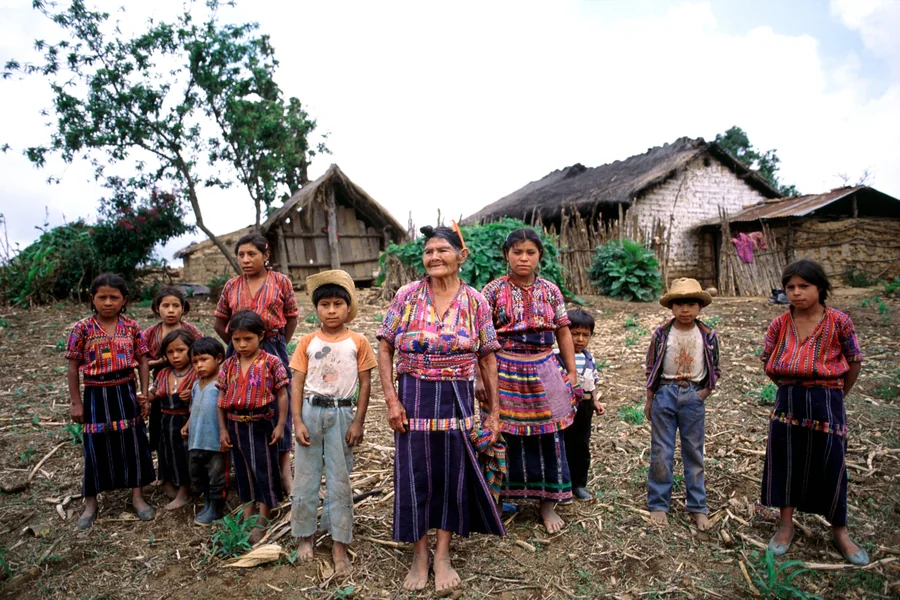
What does indigenous mean when people speak about deep roots and place? The word points to communities formed in a homeland over time. It often carries the feeling of belonging that predates later arrivals. In many regions, it also signals shared ancestry and customary ties.
The meaning stays connected to relationships with land and water. It can include distinct political histories and collective responsibilities. Within that breadth, each nation describes itself in its own words. Those self-named hold pride, memory, and continuity across changing worlds. Some people hear it as a mirror of survival, presence, and connection.
Lands That Shape Community and Memory
What does indigenous mean in places where land holds family histories? Territories can map not only borders but also sacred routes and seasonal cycles. Rivers, mountains, and coastlines become relatives in spoken traditions. Many communities connect identity to stewardship shaped by long observation.
That connection can be practical, like harvesting rules and shared work. It can also be spiritual, linking ceremonies to particular sites and stars. Displacement can fracture these ties, yet memories keep routes alive. Maps drawn in stories often outlast the maps printed by governments. Even in cities, people carry homelands in songs, foods, and kinship networks still.
Languages and Stories Carried through Generations
What does indigenous mean when a language names every bend of a river? Words can hold ecological knowledge, humor, and law in a single phrase. Oral histories often travel through chants, epics, and family conversations. These stories place ancestors in landscapes that listeners can still visit.
Some narratives explain origins, while others remember migrations and alliances. Colonial schooling often tried to silence these voices, leaving gaps. Yet many communities revive speech through immersion and ceremony. Each reclaimed word can feel like a door reopening to grandparents and childhood memories. Public signs and radio programs now echo sounds once pushed aside.
Colonization and the Struggle over Names
What does indigenous mean under histories of conquest, treaties, and forced change? Many groups were labeled by outsiders who misunderstood their own names. Categories sometimes served colonial control, taxation, or land seizure. Assimilation policies often framed Indigenous life as something to replace.
Mission records and censuses reduced complex nations into neat boxes. Even so, communities kept kinship systems and governance in quiet ways. Modern movements often reclaim older names and restore public visibility. That reclamation can unsettle official narratives built on erasure and selective memory. Across continents, the struggle over naming shows how language can carry power and pain together.
Indigenous Peoples in International Law and Politics
What does indigenous mean in global forums where rights are debated? International law often treats Indigenous peoples as distinct groups with collective interests. Documents emphasize self-determination, cultural integrity, and links to traditional lands. Some agreements recognize consultation and consent around resource projects.
Courts and commissions sometimes weigh oral history alongside written evidence. Different countries apply these ideas unevenly, shaped by constitutions and politics. Still, global language gives communities tools for diplomacy and solidarity. Conferences become meeting places where local struggles sound like echoes across oceans. When laws shift, the term can feel protective, though never fully sufficient for many.
Everyday Uses of the Word Indigenous Worldwide
What does indigenous mean in everyday speech beyond political debates? People may use it for plants and animals that evolved in a region. In that sense, it overlaps with native species and local ecosystems. Restaurants might describe ingredients as indigenous to a valley or island.
Musicians sometimes call rhythms indigenous when they arise from community roots. These uses can sound casual, yet they mirror the idea of origin and belonging. Context matters because human identities carry histories that species labels do not. Still, the shared thread is the place shaping life over the long term, usage shifts quickly across languages and regions.
Distinctions between Indigenous and Native Terms
What does “indigenous” mean compared with words like “native” and “aboriginal”? In some countries, Indigenous is a legal category tied to specific peoples. Native can feel broader, sometimes describing anyone born in a place. Aboriginal appears in certain national histories, with its own political weight.
Translations vary, so one term can soften or sharpen meaning across languages. Communities often prefer their own nation names above all umbrella labels. Still, umbrella words can help outsiders notice shared experiences of colonization. The differences show how identity can be both personal and publicly negotiated tone and setting often guide which word fits there.
Cultural Revival and Modern Indigenous Creativity
What does indigenous mean in modern art, fashion, film, and digital spaces? Contemporary creators blend ancestral motifs with city life and global genres. Beadwork, carving, and weaving appear beside photography and video games. Some artists use satire to confront stereotypes that once felt fixed.
Others tell intimate stories of family, language loss, and return. Festivals and online platforms make it easier to reach wider audiences. At the same time, questions about appropriation follow successful designs. Creative work becomes a living archive, showing tradition as movement, not museum stillness. Young people often celebrate identity through memes, music videos, and new slang.
Respectful Language and Ongoing Debates
What does indigenous mean when the word itself becomes contested in public? Some speakers treat it as respectful, while others feel it hides specific nationhood. Capitalization can signal political recognition, though usage differs by publisher. Debates also arise when companies use Indigenous imagery to sell products.
Universities and museums sometimes revise labels as communities request fuller context. Social media can amplify both learning and conflict in the same thread. Amid disagreement, many people return to listening, relationship-building, and self-identification. The term keeps evolving, shaped by who speaks, who is heard, and who is missing. History remains close beneath conversation.
Conclusion
What does indigenous mean after all these layers have been named? It points to peoples whose presence in a place reaches far back in time. It also points to living cultures that adapt without losing their core. The word carries histories of land, language, law, and creative resilience.
It can describe collective rights, yet it also describes everyday belonging. Across regions, meanings differ because each community holds its own story. Still, a common theme remains: a deep connection paired with survival through disruption. Used thoughtfully, the term can open space for recognition, memory, and relationship. That space keeps growing with voices.
FAQs
What does indigenous mean in everyday conversations around identity today?
It describes people rooted in a place, shaping culture, language, memory, and belonging across generations.
How is Indigenous status connected to land and sovereignty claims?
It reflects long ties to territory, plus political rights shaped by colonization and treaties today.
Can someone be Indigenous while living far from homeland places?
Yes, identity can travel through family, community, and practice, even across distant cities for many.
Why do different countries define Indigenous peoples in distinct ways?
Local histories, laws, and politics influence recognition, shaping who qualifies and who remains excluded officially.
What role do languages play in keeping Indigenous cultures alive?
They carry worldview, humor, ceremony, and place names, strengthening continuity across generations and change always.