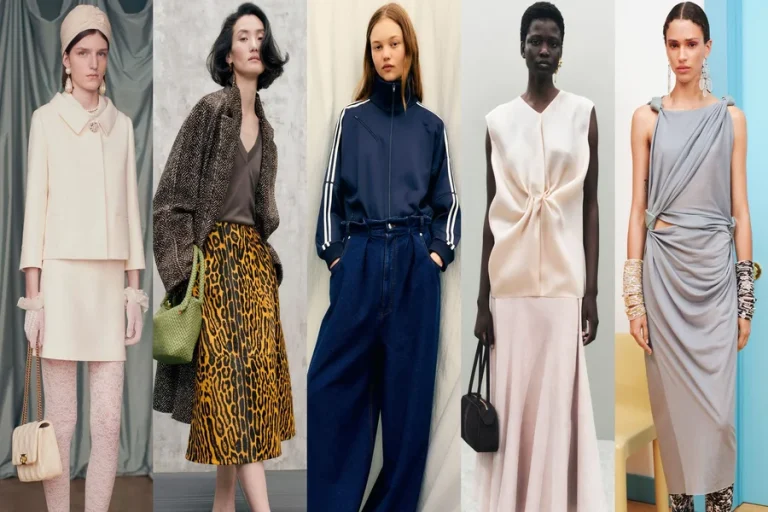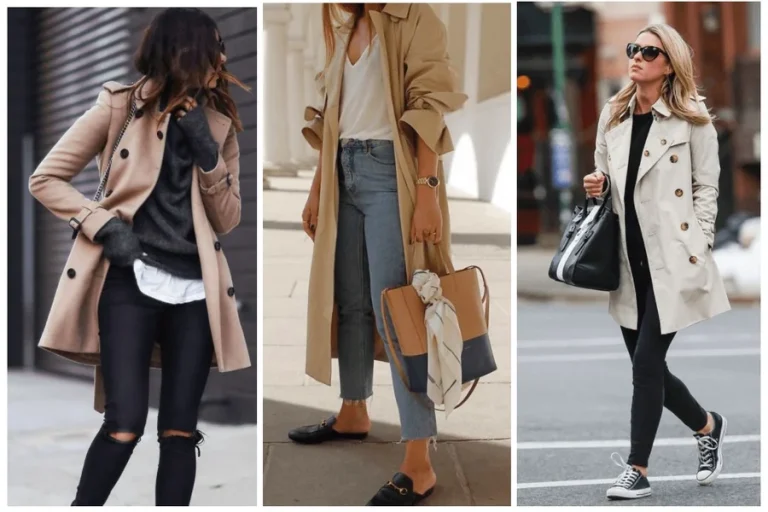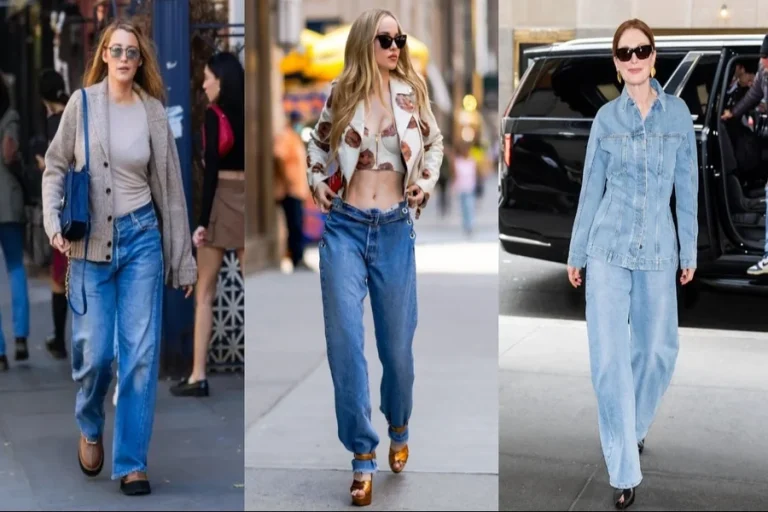
Social media has revolutionized the fashion industry, transforming how trends emerge, how brands connect with consumers, and how individuals express their style. Platforms like Instagram, TikTok, and Pinterest have become powerful tools that shape modern fashion culture by democratizing influence and accelerating trend cycles. Understanding the role social media plays in fashion today reveals its impact on creativity, marketing, and consumer behavior.
Democratization of Fashion Influence
Social media breaks down traditional gatekeeping by allowing anyone—from celebrities to everyday users—to share their fashion perspectives. Influencers, bloggers, and micro-influencers have gained massive followings, rivaling established designers and magazines in setting trends. This democratization diversifies fashion narratives and encourages more authentic, relatable content.
Instant Trend Formation and Dissemination
Fashion trends now spread faster than ever, thanks to real-time sharing and viral content. A new style showcased by a popular influencer or celebrity can become global overnight. Social media accelerates the trend lifecycle, prompting brands to react quickly and consumers to experiment more boldly.
Direct Brand-Consumer Interaction
Social media enables brands to communicate directly with their audience, bypassing traditional advertising channels. Through posts, stories, and live videos, brands build relationships, gather feedback, and personalize marketing. This two-way communication fosters brand loyalty and keeps consumers engaged.
Visual Storytelling and Inspiration
Platforms centered on visuals offer endless fashion inspiration. Users explore style ideas, DIY tutorials, and curated looks, fueling creativity. Fashion weeks, campaigns, and collections are shared widely, making high fashion accessible to all and inspiring street style.
Promotion of Diversity and Inclusivity
Social media amplifies diverse voices and promotes inclusive beauty and fashion standards. Movements advocating for body positivity, gender fluidity, and cultural representation gain momentum online, influencing brands to embrace broader representation in their products and campaigns.
Rise of Sustainable Fashion Awareness
Environmental concerns and sustainable fashion practices gain visibility through social media activism. Influencers educate followers about ethical brands, slow fashion, and conscious consumerism, encouraging more responsible choices.
Challenges of Social Media in Fashion
While social media offers many benefits, it also presents challenges such as fast fashion’s acceleration, unrealistic beauty standards, and the pressure to constantly produce content. Navigating these issues requires critical awareness from both brands and consumers.
The Future Intersection of Social Media and Fashion
Emerging technologies like augmented reality (AR) and virtual reality (VR) promise even more immersive fashion experiences on social platforms. Social commerce is growing, making it easier to shop directly from posts. The integration of AI will further personalize fashion content and recommendations.
Conclusion
Social media plays a pivotal role in shaping modern fashion by democratizing influence, speeding up trends, fostering brand engagement, and promoting inclusivity. It has transformed fashion into a dynamic, interactive culture where creativity and consumer power thrive. Understanding this impact helps brands and individuals navigate and contribute meaningfully to today’s fashion landscape.