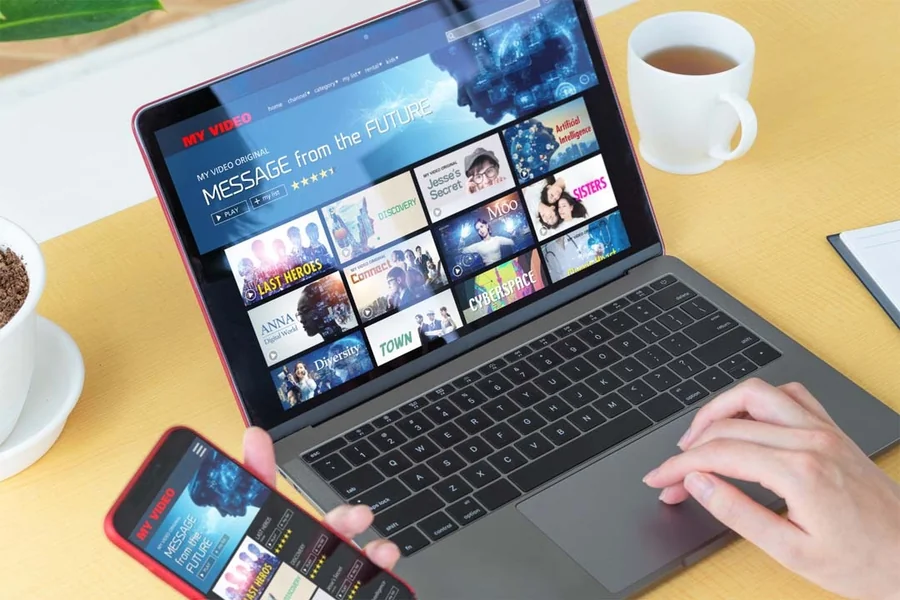
The rise of streaming platforms has dramatically changed the landscape of the entertainment industry, offering audiences an unprecedented level of access to films and television shows. In particular, streaming services like Netflix, Amazon Prime Video, Hulu, and others have become crucial in promoting independent films—offering an alternative to traditional distribution methods, which were often dominated by major studios and theatrical releases. As the demand for on-demand content grows, streaming platforms have become powerful allies for independent filmmakers looking to reach global audiences without the financial and logistical constraints of traditional film distribution.
In this article, we will explore the role of streaming platforms in promoting independent films, how they provide opportunities for filmmakers, and the challenges and benefits associated with this digital revolution in cinema. The growing popularity of streaming services has not only democratized the film industry but also created a new era of accessibility and creative freedom for independent filmmakers.
Breaking the Traditional Barriers of Film Distribution
Historically, independent films faced significant challenges in gaining visibility. Independent filmmakers often struggled to get their films into mainstream theaters due to financial limitations, competition with larger studio-backed films, and the costs associated with marketing and distribution. Without the financial backing of major studios, independent films were often limited to small film festivals, niche audiences, or special screenings, leaving them with minimal exposure to the wider public.
The Digital Shift: Streaming as a Game Changer
Streaming platforms have helped to level the playing field for independent films by offering a direct path to a global audience. Platforms like Netflix, Amazon Prime Video, and Hulu have created a digital space where independent films can be discovered by millions of viewers without the need for a traditional theatrical release. These services provide independent filmmakers with a platform that reaches international audiences, bypassing the need for costly distribution deals and regional barriers.
Instead of relying on expensive marketing campaigns or limited-run theaters, streaming services allow independent films to be easily accessed through digital subscriptions, making it easier for viewers to discover films outside of the Hollywood mainstream. This has opened up a world of possibilities for filmmakers who can now showcase their work to a global audience with minimal upfront costs.
The Role of Film Festivals and Streaming Partnerships
Film festivals have always been an important part of the independent film world, offering filmmakers a chance to showcase their work to a select audience of critics, buyers, and industry professionals. However, even if a film was selected for a prestigious festival, there was no guarantee it would secure a distribution deal or gain commercial traction. This was often the last major hurdle for independent films: finding a distributor or a platform that would push their film out to a wider audience.
Streaming Services as Distributors
In recent years, streaming platforms have increasingly taken on the role of distributors, acquiring films directly from film festivals. Netflix, Amazon Prime Video, and Hulu have all signed distribution deals with independent filmmakers, picking up films that would have otherwise struggled to reach a mainstream audience. This trend has been especially prominent at prestigious film festivals such as Sundance, Toronto, and Cannes, where streaming services now actively seek out promising independent films for global distribution.
For example, The Irishman (2019), directed by Martin Scorsese, was a high-profile Netflix acquisition that bypassed traditional theatrical distribution and debuted directly on the platform. While this was a high-budget project, it demonstrates the trend of major streaming platforms increasingly becoming central hubs for prestigious and independent films alike.
In fact, the relationship between film festivals and streaming platforms has created a mutually beneficial ecosystem. Festivals benefit from the platform’s financial backing, while filmmakers gain the ability to show their films to wider audiences. This has revolutionized the way films are discovered and consumed, offering indie filmmakers an opportunity to reach viewers around the world without the limitations of traditional distribution channels.
Providing a Voice to Underrepresented Filmmakers
One of the most powerful aspects of streaming platforms is their ability to amplify the voices of underrepresented filmmakers. Traditionally, independent films often struggled to get funding or distribution deals, especially for filmmakers from marginalized groups. Streaming platforms, however, have opened the door for diverse perspectives by actively supporting underrepresented voices in the film industry.
Diversity and Inclusivity in Independent Cinema
Streaming platforms like Netflix have made a concerted effort to champion diversity, showcasing films that reflect a broad range of experiences. Netflix has, for example, greenlit a growing number of films created by filmmakers of color, women directors, and LGBTQ+ artists. The success of films like Moonlight (2016), which won the Academy Award for Best Picture, and The Half of It (2020), a coming-of-age film directed by Alice Wu, is testament to the platform’s commitment to showcasing diverse voices.
By offering an alternative platform for distribution, streaming services allow filmmakers from marginalized communities to bypass the gatekeeping of traditional studio systems. Independent filmmakers now have access to a wider, more inclusive market where their stories can be told without the constraints imposed by mainstream Hollywood’s often narrow representation of culture and society.
Creative Freedom and Risk-Taking
Streaming platforms provide independent filmmakers with a unique opportunity to create films that are bold, experimental, and unconventional. Traditional Hollywood studios often have a “one-size-fits-all” approach to film-making, prioritizing mass appeal and big budgets over creativity and artistic expression. Independent films, by contrast, often tackle controversial or niche subjects and explore storytelling methods that might be considered too risky or unconventional for mainstream theaters.
Supporting Unique Voices and Content
Streaming platforms understand the value of catering to different audience segments, which has allowed independent filmmakers the freedom to experiment. Films that might not have had a chance in a traditional cinema setting, due to their niche appeal or challenging content, can now find a home on streaming platforms.
For instance, films like Roma (2018), directed by Alfonso Cuarón, which deals with class issues in Mexico, or The Florida Project (2017), which depicts the lives of underprivileged children in Florida, have found success on streaming platforms. These films, which explore real-life issues and use unique, often understated storytelling techniques, demonstrate how streaming platforms are providing a space for more daring and socially conscious content.
Streaming platforms like Netflix, Amazon Prime, and Hulu actively seek out diverse genres, unique narratives, and experimental storytelling techniques. This support for risk-taking filmmaking has led to an increase in original and independent content, including documentaries, short films, and international films that might otherwise have been overlooked in traditional distribution channels.
International Exposure for Independent Films
One of the most significant advantages of streaming platforms for independent films is their global reach. Traditional distribution was often limited to specific countries or regions, making it difficult for international films to gain recognition outside their local markets. However, with streaming platforms available in nearly every corner of the world, independent filmmakers now have access to a global audience.
Global Distribution and Accessibility
Streaming platforms provide indie films with the opportunity to be viewed worldwide, regardless of geographical boundaries. A film that premieres in the United States can quickly be seen in Europe, Asia, and Africa, allowing filmmakers to build a global fanbase. Additionally, many streaming platforms provide content in multiple languages, offering subtitles or dubbed versions of films to cater to international audiences.
This global reach has also led to the rise of international independent films gaining prominence. Parasite (2019), a South Korean film by Bong Joon-ho, is a prime example. The film, which would have traditionally struggled to reach a global audience, became a worldwide success in part because of its availability on streaming platforms. Its win for Best Picture at the Academy Awards further solidified the role of streaming in providing international filmmakers with greater exposure.
The Growing Popularity of Documentaries and Niche Genres
Streaming platforms have also played a pivotal role in increasing the visibility of niche genres and documentaries. Traditionally, documentaries often had a limited audience and were relegated to specialized venues like film festivals, independent theaters, or television channels. However, platforms like Netflix have made it easier for documentaries and niche films to find an audience, often introducing these genres to new viewers who might not have engaged with them otherwise.
Reaching a Broader Audience
Documentaries on streaming platforms, such as 13th (2016) directed by Ava DuVernay, Making a Murderer (2015), and Won’t You Be My Neighbor? (2018), have captured the public’s attention on a massive scale. These films tackle important social issues and offer deeper insights into subjects like racial inequality, criminal justice, and the lives of cultural icons, making them more accessible to a broader audience.
Similarly, niche genres like horror, sci-fi, and foreign-language films have flourished on streaming platforms. By offering a diverse range of content, streaming services give independent filmmakers the ability to create and distribute films that might not fit into mainstream cinema but still resonate with targeted, passionate audiences.
The Future of Independent Films on Streaming Platforms
As streaming platforms continue to grow and dominate the entertainment landscape, the role of independent films will only become more significant. Filmmakers are increasingly turning to digital platforms for distribution, and streaming services are continuing to invest in original content, including indie films, documentaries, and international productions. The future of independent cinema appears promising, as streaming platforms provide a level playing field for diverse voices and fresh, experimental storytelling.
Increased Investment in Independent Films
Streaming platforms are likely to increase their investments in independent films as they continue to compete with traditional studios. As the demand for fresh, diverse content grows, more resources will be allocated to discover and promote independent filmmakers. This will further fuel the rise of independent cinema, providing filmmakers with even more opportunities to reach a global audience.
Conclusion: A New Era for Independent Filmmakers
Streaming platforms have revolutionized the way independent films are distributed and consumed. By offering direct access to global audiences, providing creative freedom, and supporting diverse storytelling, these platforms have given independent filmmakers the ability to reach viewers that might have otherwise been unreachable. As technology continues to evolve and streaming services become more dominant, the future of independent films has never looked brighter.