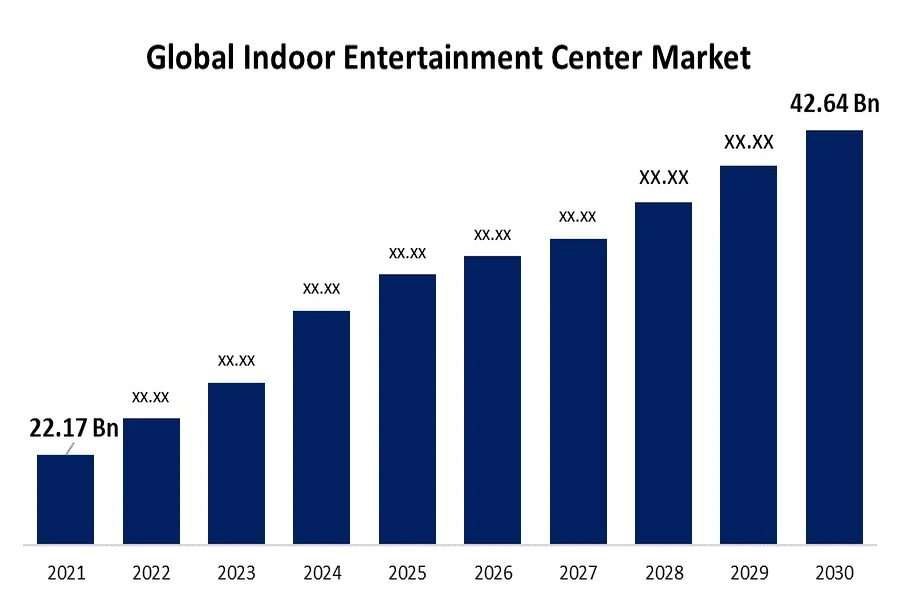
The entertainment industry, once dominated by Hollywood and Western media, has experienced a significant transformation with the rise of international entertainment markets. This global expansion has reshaped how content is produced, distributed, and consumed, reflecting diverse cultures, stories, and audiences. The rise of international entertainment markets highlights the growing influence of non-Western media and the increasingly interconnected nature of global entertainment.
Globalization and Technology as Catalysts
Advancements in technology and the globalization of media have been key drivers behind the rise of international entertainment markets. High-speed internet, streaming platforms, and digital distribution have made content accessible worldwide, breaking down geographical barriers. Audiences now enjoy films, TV shows, music, and games from different countries, fostering cross-cultural exchange and broadening market reach.
The Growth of Regional Film Industries
Countries such as India, South Korea, China, and Nigeria have developed robust entertainment industries that produce content for vast domestic and international audiences.
- India’s Bollywood is one of the largest film industries globally, known for its vibrant musicals and dramatic storytelling. Bollywood films have a massive diaspora audience and influence global pop culture.
- South Korea’s Hallyu (Korean Wave) has propelled K-pop, K-dramas, and films onto the world stage, captivating fans across continents with polished production and unique storytelling.
- China’s film and gaming industries have rapidly expanded, fueled by government support and a large domestic market, influencing global entertainment trends.
- Nigeria’s Nollywood is renowned for its prolific film production, providing culturally resonant stories that engage African and international audiences alike.
Streaming Platforms and Market Expansion
Global streaming services like Netflix, Amazon Prime, and Disney+ have actively invested in local content production and acquisition, recognizing the value of international markets. These platforms tailor offerings to regional tastes, often dubbing or subtitling content to increase accessibility. The success of international shows like Money Heist (Spain) and Squid Game (South Korea) illustrates the potential of localized content to achieve global popularity.
Cultural Diversity and Representation
International entertainment markets contribute to greater cultural diversity and representation in media. They offer audiences stories rooted in different traditions, languages, and perspectives, challenging Western-centric narratives. This diversification enriches global entertainment and promotes understanding among cultures.
Economic Impact and Job Creation
The expansion of international entertainment markets has significant economic benefits, generating employment in production, distribution, marketing, and related sectors. Film festivals, music tours, and gaming expos in various countries stimulate local economies and encourage tourism.
Challenges and Opportunities
Despite growth, international markets face challenges such as censorship, piracy, and competition with established Western media. However, opportunities abound in co-productions, technological innovation, and niche market targeting. Collaborations between countries and cultures foster creative synergies and access to new audiences.
The Future of International Entertainment
The future promises continued growth of international markets, driven by technological innovation and audience demand for diverse content. Emerging markets in Southeast Asia, Latin America, and Africa are gaining prominence, contributing fresh voices and stories. The blending of global and local elements will define entertainment’s evolution, making it more inclusive and dynamic.
Conclusion
The rise of international entertainment markets marks a pivotal shift in the global media landscape. By embracing cultural diversity and leveraging technology, these markets challenge traditional dominance and enrich the entertainment world. As audiences worldwide connect through shared stories, international entertainment will continue to shape culture, economy, and society.